
Back Laser Hair Removal
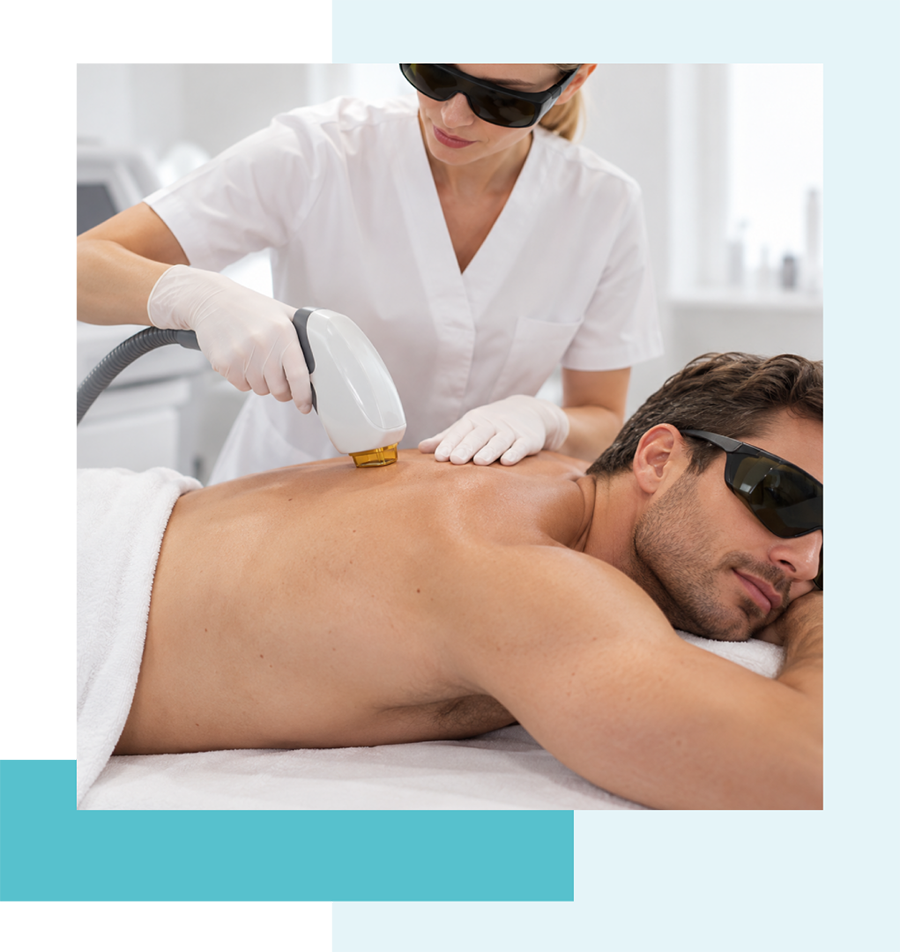
Back hair removal is one of the most frequent requests from men at aesthetic medicine clinics. Whether motivated by aesthetic discomfort, inconvenience during sport or simply comfort and hygiene (particularly in summer with sweating), this area has unique characteristics. As the back is a difficult surface to treat yourself and is subject to specific hormonal characteristics, its treatment with medical laser requires a rigorous and well-informed approach.
Back hair removal can be full or localised depending on each person’s needs and hair growth:
- Upper back and shoulders: This is the area where the hair is often the densest and thickest.
- Lower back (lumbar area): Often treated in continuity for aesthetic harmony.
- Full back: Ideal for an even, clean result.
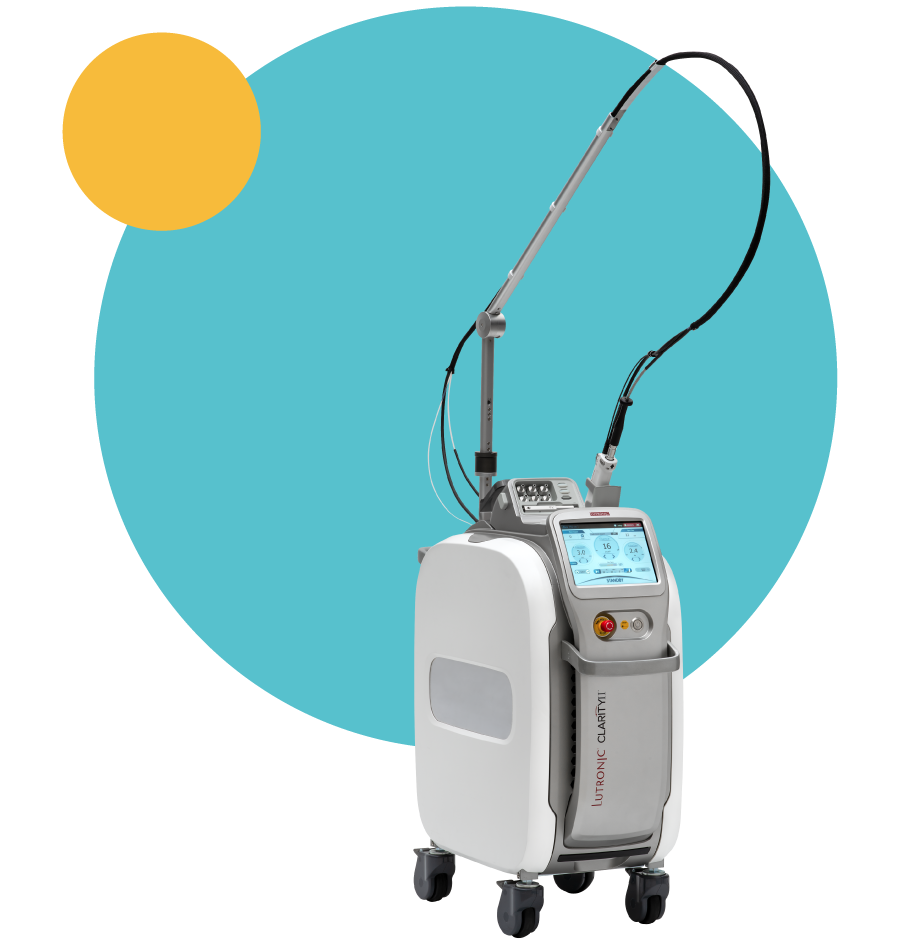
Beware of fine hair: On the sides of the back or towards the arms, the hair can resemble fine fuzz. Our latest-generation medical lasers allow the settings to be adjusted precisely to avoid “paradoxical regrowth” (the stimulation of fine fuzz by unsuitable heat, which would make it thicker). The expertise of the medical team is essential to define the areas to be treated effectively.
Why is the male back a unique area?
The male back is a so-called “hormone-dependent” area. This means that hair growth there is directly stimulated by male hormones (such as testosterone). Unlike other areas of the body where hair growth stabilises at the end of puberty, back hair in men can continue to appear and become denser later in life, sometimes until the age of 40 or 45.
A key piece of information: Because of this late hormonal development, the age at which you start treatment is a key factor. If you start back laser hair removal at 20 or 25, it is very likely that new hair bulbs (which did not yet exist at the time of treatment) will become active a few years later. The treatment will permanently destroy the existing hairs, but cannot prevent the body from creating new ones. Annual maintenance sessions are therefore often needed for young men.
How the sessions work
Session length: The back is a large surface area. Thanks to the use of wide, ultra-fast handpieces, a full back session generally lasts between 25 and 35 minutes.
Comfort level: The back is a moderately sensitive area, but certain parts such as the spine, the shoulder blades or the lower back can be more reactive. You feel a quick, warm tingling. Our equipment includes a continuous icy-air cooling system that instantly numbs the skin to neutralise the heat and ensure a very tolerable treatment.
The protocol: As the hair cycle on the back is long, sessions are spaced out. A full protocol requires an average of 6 to 8 sessions, spaced 6 to 8 weeks apart at the start, to target the hairs during their active growth phase.
Essential precautions (Before / After)
To guarantee the effectiveness of the treatment and the safety of your skin, a few strict guidelines must be followed:
Shaving beforehand: The back must be closely shaved 24 hours before the appointment. As this area is difficult to reach, it is often advisable to ask someone close to you for help or to use a razor designed for hard-to-reach areas. The use of wax or tweezers is strictly forbidden between sessions.
Sun exposure: The back tans easily in summer. The skin must not be tanned at all (no direct sun exposure, tanning beds or self-tanner during the 4 weeks before the treatment), otherwise there is a risk of burns or pigmentation spots.
Immediate aftercare: Redness and slight swelling around the follicles (perifollicular oedema) are normal and last 24 to 48 hours. Apply a soothing cream and avoid friction from synthetic fabrics or tight clothing. Intensive sport, sauna and hammam should be avoided for 24 hours.
Our prices per session
Laser Hair Removal - Men
Prices per session
Interested in this treatment?
Please don't hesitate to contact us with any questions, or schedule an appointment directly with Dr Simon Sebbah by clicking here.